Foreign Policy
End the Embargo on Cuba and Build Cooperation Instead
Vincent Cordova argues that the embargo on Cuba is a failed punishment regime and that the United States should replace isolation with respectful cooperation, humanitarian exchange, and shared development.
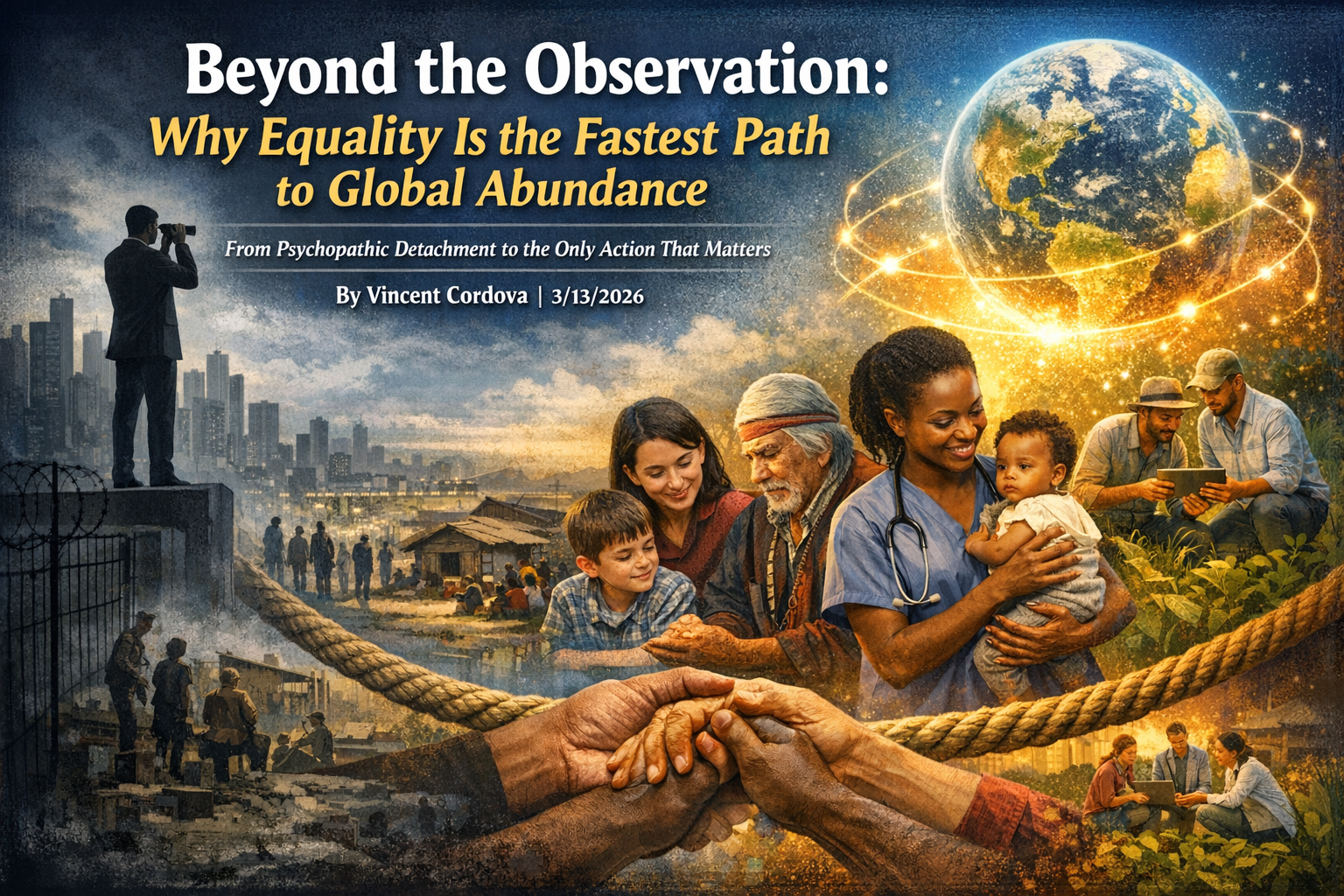
The embargo on Cuba should end. It has endured for decades as a policy of punishment, restriction, and economic pressure, yet it has never produced the moral clarity or democratic transformation that its defenders keep promising. What it has produced is prolonged hardship, hardened hostility, and a foreign-policy posture built on deprivation rather than cooperation.
When a policy fails for generations and still remains in place, we should be honest about what it is actually doing. The embargo does not simply target a government. It shapes daily life for ordinary people through scarcity, blocked exchange, interrupted access, and a constant message that collective pressure is an acceptable substitute for constructive engagement.
That is not a serious vision of international leadership. It is the politics of isolation made permanent. If the United States wants to claim that it believes in dignity, development, and human possibility, it cannot keep defending a strategy that relies on economic restriction as its main language toward Cuba.
Our campaign has now added a clear commitment across World Goals, Our Plan, and Platform to pursue an end to the embargo on Cuba and expand global collaboration. That language matters because it moves the question out of nostalgia and into policy. We are saying plainly that punishment is not the framework we intend to preserve.
Ending the embargo is not about pretending there are no disagreements between governments. It is about rejecting the idea that broad economic pressure on a country is a substitute for principled diplomacy. A mature policy can defend human rights, democratic standards, and free exchange without making ordinary people carry the burden of permanent hostility.
The alternative is cooperation. That means humanitarian exchange, medical collaboration, educational partnership, cultural connection, scientific dialogue, and trade relationships designed to support people rather than choke them. It means replacing siege logic with constructive engagement.
Cuba is not only a site of geopolitical argument. It is also a place where human beings build families, teach children, practice medicine, and try to create a future under conditions shaped in part by the choices of far more powerful states. A decent policy begins by remembering that ordinary people are not abstractions.
There is also a broader regional question. The United States cannot keep claiming to want healthier relationships across the Americas while maintaining policies that signal control first and respect later. Cooperation requires reciprocity. It requires the willingness to engage neighbors as sovereign peoples, not as permanent targets of coercive leverage.
Constructive exchange also creates room for shared gains. Public health, disaster response, agriculture, literacy, and scientific development are all areas where collaboration can produce real benefit. If a policy blocks that kind of progress for decade after decade, it is not protecting the future. It is obstructing it.
This is why our Cuba policy is tied directly to global collaboration. We are not just calling for the removal of one restriction while leaving the wider posture unchanged. We are calling for a shift away from punishment-based foreign policy and toward respectful partnership rooted in mutual benefit.
Our World Goals page now calls for ending the embargo on Cuba through global cooperation. Our Plan and Platform now say we will end the embargo and expand global collaboration. This article makes the underlying principle clear: deprivation is not diplomacy, and isolation is not leadership.
The United States should stop using embargo politics as a default expression of power. End the embargo on Cuba. Restore exchange. Build cooperation. Let the measure of policy be whether it expands human possibility rather than whether it preserves a failed ritual of punishment.